
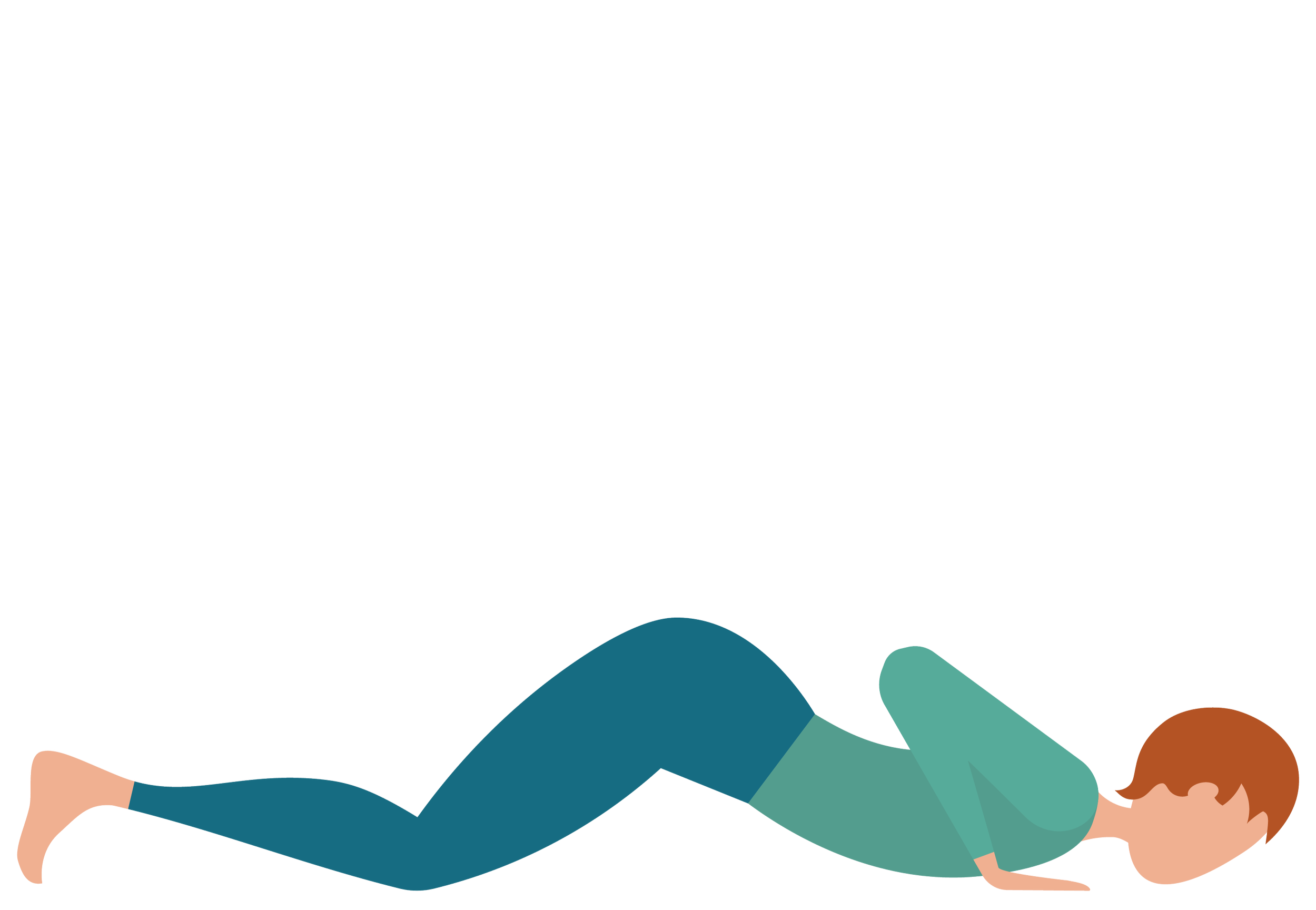
knees chest chin
Ashtanga Namaskara
Symmetrical kneeling posture
ashtanga - eight limbed
NAMASKARA - salutation
This transitional posture is a key part of the traditional Sun Salutation sequence (Surya Namaskar). It strengthens the arms, shoulders, and core while gently opening the upper back and chest. Ashtanga Namaskara is a controlled lowering movement that builds upper body strength and prepares the body for Cobra or Upward Facing Dog.
Often referred to as Knees Chest Chin or Knees Down Chest Down, this posture gets its name because eight parts of the body touch the mat - your two feet, two knees, two hands, chest, and chin.
How to get into the pose:
From Plank, exhale and lower your knees to the mat, keeping your hips lifted
Keep your elbows close to your sides and slowly lower your chest and chin down to the mat, keeping your shoulders at the same height as your elbows.
Your hips stay high, creating a gentle bend in your upper back. Only your chin, chest, hands, knees, and toes should touch the floor
Press firmly through your palms and keep your elbows hugging in toward your ribs
This is usually a brief transitional posture before moving into Cobra or Upward Facing Dog
Remember to create balance between effort and ease in your pose.
How long to stay in the pose:
Usually just one breath as a transition. Hold for up to three breaths if practising it as a strengthening posture.
Gaze (Drishti):
Slightly forward or down toward the mat
Modifications you can take to make this pose more accessible:
Place a folded blanket under your chest or chin for extra cushioning
Practise the transition from your knees instead of full Plank to reduce weight bearing on the shoulders and wrists
Contraindications / Cautions:
Avoid if you have wrist, shoulder, or elbow injuries
Be careful if you have neck issues, keeping the movement controlled and do not force the chin to the floor
Enjoy your practice and get in touch if you have any questions.