
high lunge
Ashta Chandrasana
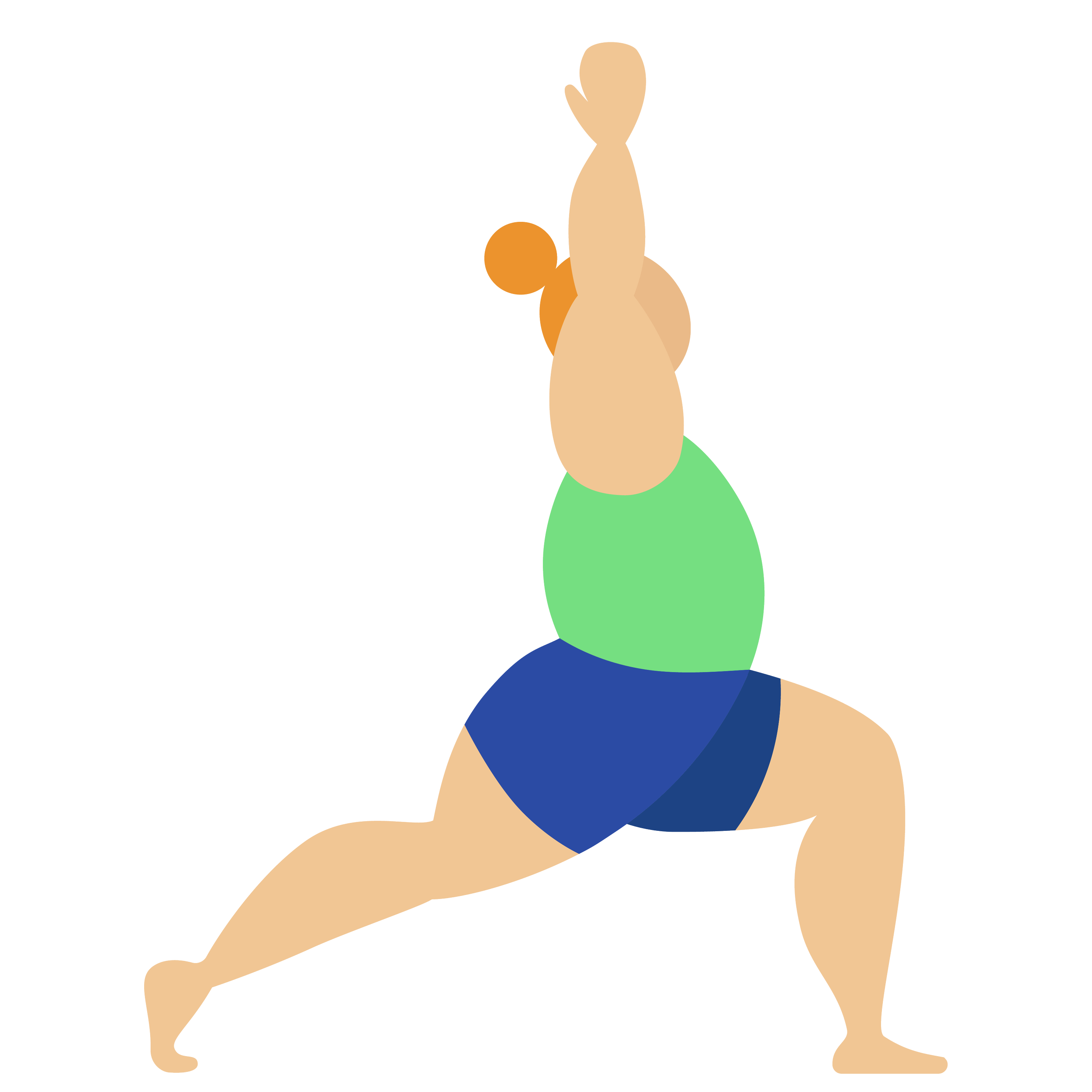
Asymmetrical standing posture
Ashta - eight
chandra - moon
asana - posture
This dynamic standing posture strengthens the legs, opens the hip flexors of the back leg, and improves balance and focus. It creates a stretch through the front of the hips and torso while building stability in the lower body.
High Lunge is often sequenced in the middle of a flowing practice to build heat and prepare the body for deeper hip openers or backbends.
Its full Sanskrit name Ashta Chandrasana translates to Eight Moon Posture or Crescent Moon. You will usually hear it referred to as High Lunge or Crescent Moon in class.
How to get into the pose:
From Downward Facing Dog (Adho Mukha Svanasana), step your right foot forward between your hands. Keep your right knee directly over your right ankle
Lower your left knee to the mat (or keep it lifted for more intensity). Tuck your left toes under if the knee is lifted
Inhale and rise up, lifting your arms overhead with palms facing each other or touching. Keep your back leg strong and straight, pressing through the ball of the left foot
Square your hips without forcing to the front of the mat and draw your front ribs in slightly to lengthen the lower back
Optionally, sink deeper into the lunge on each exhale while keeping the front knee over the ankle. Lengthen through the crown of the head and gaze forward or slightly upward
To come out, exhale and place your hands back on the mat, then step back to Downward-Facing Dog
Repeat with the left foot forward
Remember to create balance between effort and ease in your pose
How long to stay in the pose:
Five to eight breaths on each side. You can hold longer (up to one minute) once you feel stable.
Gaze (Drishti):
Forward or upward toward the thumbs
Modifications you can take to make this pose more accessible:
Lower the back knee to the mat for a Low Lunge variation
Place your hands on your front thigh or on blocks beside your front foot instead of raising the arms
Shorten or widen your stance if balance is challenging
Contraindications / Cautions:
Be careful with this posture if you have knee injuries, keep the front knee stacked over the ankle and avoid letting it collapse inward
Modify or skip if you have severe hip, lower back, or ankle issues
Enjoy your practice and get in touch if you have any questions.