
extended mountain
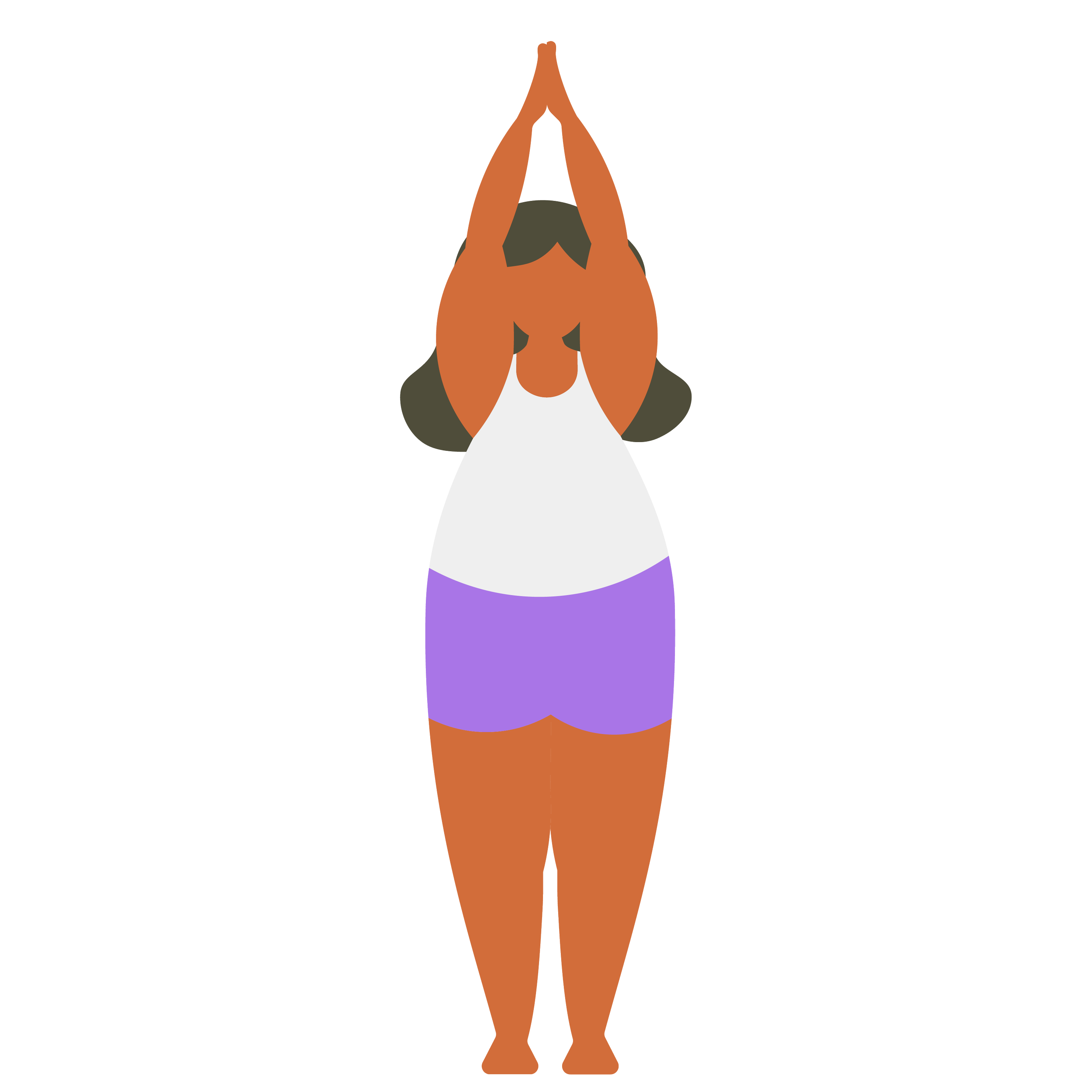
Urdhva Hastasana
symmetrical standing posture
URDHVA - upward
HASTA - hand
asana - posture
This simple yet powerful standing posture strengthens the shoulders, arms, and core whilst lengthening the entire spine. It improves posture and creates a full-body stretch from the feet all the way through to the fingertips. Extended Mountain is often used at the beginning of a practice or as a foundational posture within Sun Salutations.
Usually known as Extended Mountain Pose or Arms Up Mountain, its Sanskrit name Urdhva Hastasana translates to Upward Hands Posture.
How to get into the pose:
Begin in Mountain (Tadasana) with your feet together or hip-width apart, weight evenly distributed
On an inhale, raise your arms out to the sides and up overhead
Keep your palms facing each other or bring them to touch (Anjali Mudra) above your head
Relax your shoulders away from your ears and draw your shoulder blades slightly down your back
Lengthen through all four sides of your waist. Gently engage your core and thighs while keeping a bend in your knees if needed
Press firmly into your feet and reach strongly through your fingertips. Gaze forward or slightly upward
To exit, exhale and release your arms back down to your sides
Remember to create balance between effort and ease in your pose
How long to stay in the pose:
Five to ten breaths. In Sun Salutations Extended Mountain is usually just one full breath (inhale to enter the posture, exhale to exit).
Gaze (Drishti):
Forward or slightly upward
Modifications you can take to make this pose more accessible:
Keep your arms shoulder distance apart or slightly wider if your shoulders feel tight
Hold your hands at heart centre or on your hips instead of raising them overhead
Practice with your back against a wall for support and alignment feedback
Bend your knees slightly if you have lower back sensitivity
Contraindications / Cautions:
Be cautious with shoulder, neck, or lower back injuries
Avoid raising the arms fully if you have high blood pressure or heart conditions and keep hands on hips instead
Enjoy your practice and get in touch if you have any questions.