
chair
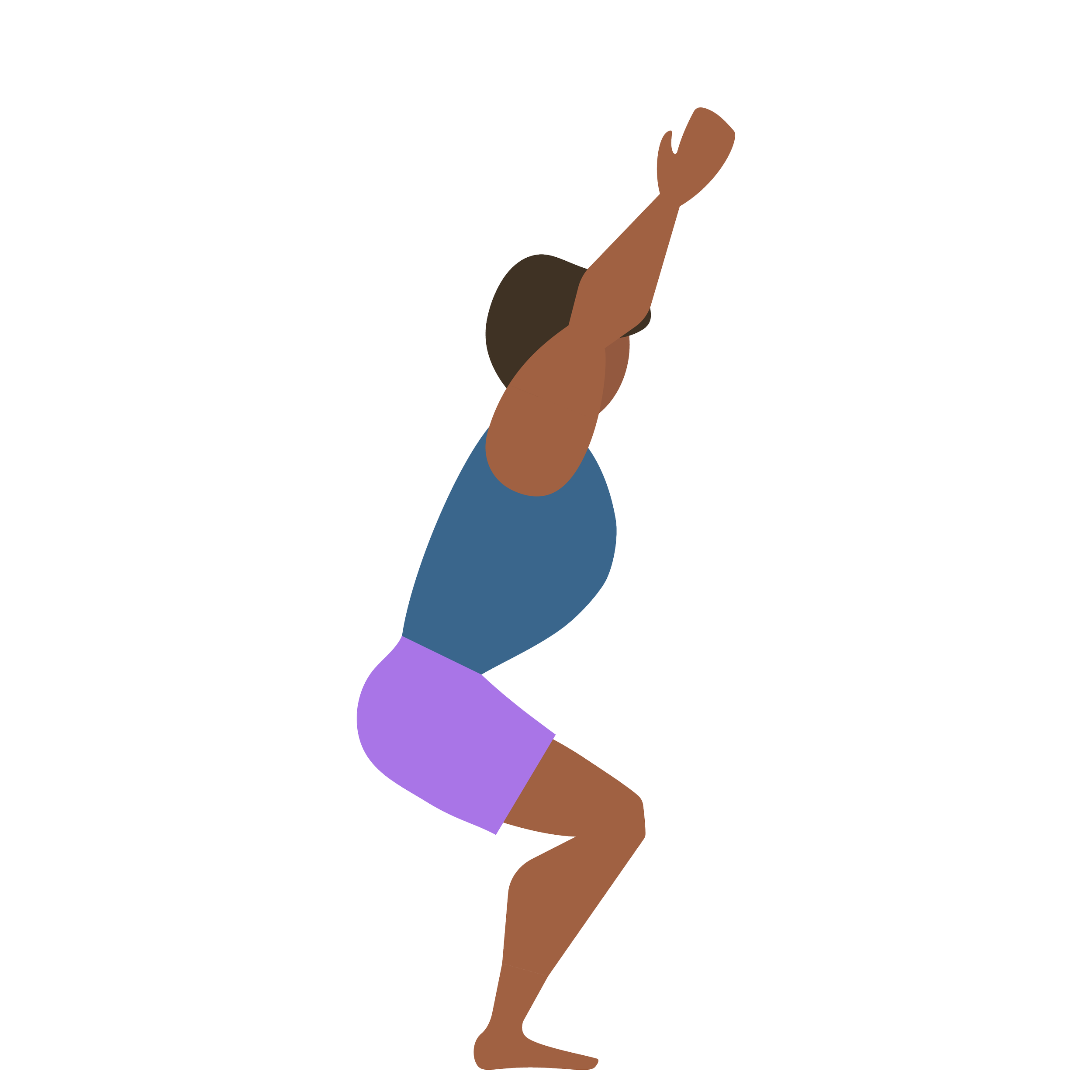
Utkatasana
symmetrical standing pose
UTKATA - fierce/powerful
asana - pose
This strong standing posture builds heat in the body, strengthens the legs and core, and improves stamina and balance. It also strengthens the thighs, calves, and ankles while opening the chest and shoulders.
Chair is often used at the beginning of a practice to heat up the body or as a foundational posture in standing sequences. It is also the first posture in Sun Salutation B.
Commonly known as Chair, its Sanskrit name Utkatasana translates to Fierce Posture or Powerful Posture, reflecting the intense effort required to hold the body in position while remaining tall and steady.
How to get into the pose:
Begin standing in Mountain Pose (Tadasana) with your feet together or hip width apart
Inhale to raise your arms overhead, palms facing each other or touching, keeping your shoulders relaxed away from your ears
Exhale and bend your knees, lowering your hips as if you are about to sit back into a chair. Keep your weight back in your heels so you can still see your toes if you look down
Draw your tailbone slightly down (but not out or under) to lengthen through your lower back. Lift your chest and keep your spine long, gazing forward or slightly upward
Press firmly into your feet and draw your thighs towards the centre. Continue to reach strongly through your fingertips while breathing deeply.
To exit the posture, inhale and straighten your legs, then exhale and release your arms back to your sides
Remember to create balance between effort and ease in your pose
How long to stay in the pose:
Five to ten breaths. You can build up to longer holds as your strength and endurance develops.
Gaze (Drishti):
Forward or upward toward the thumbs
Modifications you can take to make this pose more accessible:
Keep your feet wider than hipwidth apart for better stability.
Hold your hands at heart centre in Anjali Mudra instead of raising the arms overhead
Sit back onto a chair for support whilst still engaging your legs and arms
Bend the knees less deeply
Contraindications / Cautions:
Be cautious with knee injuries or conditions - do not let your knees go past your toes and reduce the depth of the bend if needed
Avoid or modify if you have low blood pressure, recent shoulder injuries, or lower back issues
Enjoy your practice and get in touch if you have any questions.